


Producing large plastic parts is an important market in the USA, largely due to the high cost and logistical challenges of shipping oversized parts globally. Key industries that rely on these products include agriculture, transportation, and infrastructure.
Typical large plastic parts include totes, rollout carts, automotive and aerospace components, pipes, agricultural bins, medical equipment housings, playground slides and structures, hot tubs and spas, pallets, kayaks, water tanks, and more. Many of these are manufactured using rotational molding, blow molding, or injection molding processes.
When incorporating color into large parts, molders face several challenges that must be addressed to ensure performance and consistency.
How to Overcome Common Challenges in Coloring Large Parts
1-Color Swirls / Uneven Distribution
Large parts require more resin and colorant, increasing the risk of swirls and uneven color. To minimize this:
-Use high-quality color concentrates, masterbatches or specific rotomolding formulations.
-Optimize processing parameters such as backpressure, screw speed, temperature, gate placement, and flow design.
-Ensure superior dispersion through proper material selection.
2-Dispersion Issues
Achieving proper dispersion is critical for uniform color:
-Partner with color suppliers who can fine-tune pigment loadings for your part geometry.
-Standardize dosing equipment and test dispersion using plaques before scaling up.
-Document and lock in optimized processing parameters for repeatability.
3-Color Matching
Work with suppliers that employ experienced color lab technicians skilled in matching colors for large parts. They must account for variables like lighting and viewing angles, which can influence perceived color differences.
4-Cost and Efficiency
Using lower let-down ratios (LDR) in concentrates can significantly reduce raw material costs, inventory needs, and production expenses. Consistency in color also reduces scrap rates and downtime during changeovers, further improving efficiency.
5- Use of Liquid Color
Replacing liquid color with concentrates improves inconsistent color issues, minimizes batch variation, messy storage issues, and contamination risks. You also eliminate additional cleanup time that slow down changeovers, increases downtime.
Color Concentrate Technology Options for Large Parts

Not all color concentrates are equal. For example, there is a high-performance color technologies options on the market that are designed to deliver superior performance in large-scale molding applications. The benefit of these technologies includes:
-Extremely high pigment and additive loading levels, reducing LDR requirements.
-Enhanced UV stability for outdoor parts, maintaining color vibrancy and durability.
-Lowers inventory needs, reduces freight costs, and improves warehouse efficiency.
-High dispersibility for seamless blending into polymers, reducing overall colorant usage.
-Good replacement for Liquid Color by delivering precise, consistent color with minimal batch variation and eliminates the mess, storage issues, and contamination risks.
-A rotomolded color concentrates proprietary formulation primarily composed of linear low-density polyethylene (LLDPE) that achieve ideal flow properties and to ensure durable parts with consistent color dispersion.
Proven Results of This Technology:
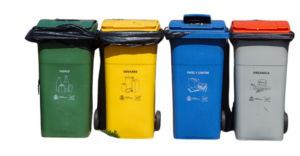
1-Rollout cart manufacturers reduced LDR from 3% to 1% while achieving 10-year warranties.
2-Sheet extruders for the portable restroom market improved throughput and reduced panel warpage.

3–A leading recreational vehicle OEM transitioned from traditional concentrates to this technology achieved:
-Lower costs
-Elimination of flow line defects
-Class A-1 surface finishes
-Expanded use of vibrant, chromatic colors for new launches
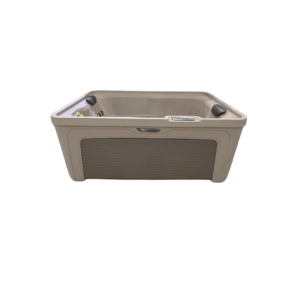
4- Spa Manufacturer switched to proprietary resin primarily composed of linear low-density polyethylene (LLDPE) for a unibody part and was able to have:
–Uniform coloration across large surface areas.
–Improved impact resistance resulting in stronger, long-lasting spa shells.
–A wide range of colors to be applied without high-volume manufacturing requirements.
–A concentrate that easy to handle, reducing the dust and mess of dry colorants, and providing consistent, high-quality results in the mold.
Chroma Color’s G2®
Chroma Color’s G2® product line has delivered measurable results across industries such as outdoor durables, packaging, industrial applications, and non-automotive transportation. Whether using injection, extrusion, or blow molding, G2® technology consistently provides superior color performance, efficiency, and cost savings.
Chroma Color® Rotomolding Formulations
Chroma Color®’rotomolding color options offering provide exceptional dispersion, thermal stability, and consistency, helping manufacturers avoid common defects such as streaking, pinholes, and uneven coloration. These formulations offer a proprietary resin primarily composed of linear low-density polyethylene (LLDPE), widely used in the rotational molding industry for large parts.
Chroma Color® Corporation is a technology-leading specialty color concentrate and color masterbatch supplier. Chroma Color® delivers critical aesthetics, technical innovations, and sustainable solutions to plastics processors and brand owners. Having made nine acquisitions Chroma Color®’s growth strategy includes robust organic and inorganic growth. Chroma Color®’s extensive technical leadership and manufacturing expertise, coupled with its game-changing colorant and light management technologies, have delighted customers for over 50 years.