
Plastic Packing Trends and How to Choose the Best Color Concentrates to Meet These Trends

Trends in Packaging in 2026 and Beyond

A major trend in packaging is the shift toward smarter, advanced solutions. These include digital watermarks for better sorting and recycling, as well as sensors that track freshness and supply‑chain conditions. Brands are also reducing material use through lightweight designs and adapting packaging for e‑commerce and convenience. Overall, plastic packaging is evolving to balance cost, functionality, and sustainability amid expanding consumer and regulatory pressures.

The rapid adoption of GLP‑1 drugs is significantly affecting demand for plastic packaging. These medications rely on plastic‑heavy delivery systems—such as single‑use autoinjector pens, protective caps, and sterile packs—driving large‑scale production and investment in medical‑grade plastics. They also require cold‑chain packaging due to refrigeration needs.

Chroma Color for Medical products and devices

Because GLP‑1 drugs reduce appetite, consumers are buying less food, especially packaged snacks, lowering demand for some plastic food packaging. This decrease is partly offset by growing interest in smaller portions and resealable formats. At the same time, the rise in single‑use medical plastics, including injector pens and sharps containers, is increasing waste concerns and highlighting the need for more eco-friendly materials and recycling solutions in healthcare.

How to Choose the Right Color Concentrate to Meet Your Current Plastic Packaging Needs

It is essential in today’s business environment to choose the best color concentrate technology that delivers highly consistent, high-performance color to your packaging, improving both processing effectiveness and final product quality. Look for advanced formulations that allow for lower let-down ratios, meaning manufacturers can achieve the same color intensity with less material—cutting overall costs and improving sustainability. The technology ought to enhance dispersion, resulting in smoother color uniformity, fewer production defects, and more predictable performance across multiple resin types and applications.

Chroma Color Concentrates Pellets

You should also ask yourself: Is this color concentrate engineered for faster processing and reduced cycle times to ensure throughput without impairing color precision or durability? Does the concentrate’s thermal stability support demanding packaging processes, including thin-wall designs and high-speed extrusion or injection molding? Together, these advantages will help you boost packaging performance, reduce waste, and improve operations.

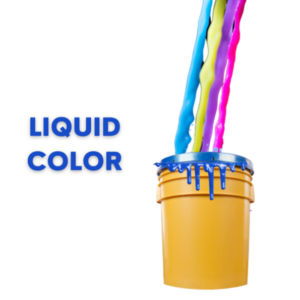
The Benefits of Switching from Liquid Color to Color Concentrates:

Switching from liquid color to high-performance color concentrate technology offers several important advantages that can significantly improve manufacturing performance and reduce total production costs. High-performance systems provide far more precise colorant delivery, resulting in consistent, repeatable color with minimal variation from batch to batch. Because these technologies meter color directly into the process, they eliminate the mess, storage challenges, and contamination hazards often associated with liquid color. They also reduce cleanup time and simplify changeovers, permitting operators to move between colors more quickly with less downtime. In many cases, you can achieve the same—or better—color strength while using less additive. The combination of accuracy, cleanliness, reduced waste, and lower operating costs makes these systems a strong upgrade over traditional liquid color.

How Color Concentrate Drug Master Files (DMFs) for Medical Plastic Packaging Makes Your Life Easier

Drug Master Files offer medical packaging companies a substantial regulatory and operational advantage by providing pre-vetted, FDA-reviewed documentation for colorants used in pharmaceutical and healthcare products. This reduces the burden of material qualification, speeds time to market, and simplifies compliance for devices such as syringes, caps, connectors, and diagnostic components. With DMFs in place, you can be confident that your color concentrate is safe, consistent, and traceable—critical factors for your medical-grade packaging that must meet strict performance and regulatory requirements.

A Good Color Concentrate Option for Your Plastic Packaging
Chroma Color G3 Logo

Chroma Color’s G3 technology delivers strong value by providing high-efficiency color concentrates that improve processing performance while cutting overall material costs. G3’s advanced dispersion enables rich, uniform color at significantly lower let-down ratios, helping manufacturers use less concentrate without sacrificing quality. Chroma’s patented G3 technology can also provide highly loaded concentrates containing laser-marking additives. The formulation also allows faster cycle times, excellent thermal stability, and cleaner processing, which together reduce waste, improve production efficiency, and improve sustainability across a wide range of plastic packaging applications.

To learn more about G3 and Chroma Color Corporation, visit: chromacolors.com.
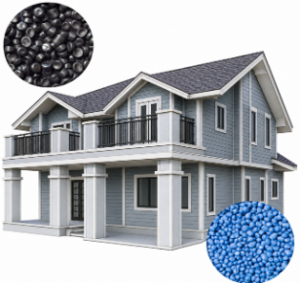
Chroma Color Supports Customers Shifting Away from Traditional Materials Such as Metal to Plastics

Chroma Color is supporting a growing number of companies that are shifting from traditional materials, such as metal, to plastic materials paired with advanced color solutions.

In roofing, for example, suppliers are increasingly adopting plastic components because they are lighter, more resistant to cracking and corrosion, and easier to install. These materials can also replicate the appearance of classic slate or metal finishes through the use of advanced color concentrates. Additionally, plastics can be enhanced with thermal and UV stabilizers, which improve long-term durability. These additives give manufacturers confidence that their products will withstand weathering, temperature extremes, and prolonged sun exposure while maintaining their visual appeal.

Chroma Color Roofing Color Concentrates

A similar transition is occurring in exterior siding. Traditional wood siding is being replaced by composite materials and premium vinyl solutions that replicate the look of natural shake. Modern manufacturing techniques, combined with advanced color concentrates, enable detailed wood-grain textures and a wide range of natural-looking colors that mimic stained or weathered wood. At the same time, these materials eliminate many of the disadvantages of wood; such as rot, insect damage, and frequent maintenance, while delivering consistent performance in harsh environments.

Chroma Color Concentrates for Roofing

In agriculture and other industrial applications, plastics are also replacing metal components. Thermoformed plastic sheets are now widely used due to their lighter weight, corrosion resistance, and recyclability. The reduced weight improves handling and can enhance fuel efficiency, while still providing the durability required for demanding applications.

“By Integrating polymer science with advanced color technology, we can precisely engineer materials that withstand harsh environments while maintaining long-term appearance.  This is where innovation truly drives value for our customers.” – Zach Zander, PhD, R&D Director.

Coloring building and industrial products, however, introduces complexities that can impact consistency, cost, and overall quality. The following best practices can help manage these challenges:

  • Use high-quality color concentrates, masterbatches, or rotomolding-specific formulations to ensure consistent performance and appearance.
  • Partner with a knowledgeable supplier who can optimize pigment loadings based on your specific part geometry.
  • Account for how color perception varies with part size, lighting, and viewing angles. Work with an experienced color lab that can:
  1. Adjust formulations for scale
  2. Consider environmental and visual variables
  3. Deliver consistent results across production runs
  • Optimize color for both performance and cost efficiency. A strong supplier can help you achieve:
  1. Lower let-down ratios (LDR), reducing raw material usage and inventory
  2. Greater consistency, minimizing scrap and rework
  3. Faster, cleaner changeovers that reduce downtime and increase productivity

Chroma Color’s G2®

Chroma Color’s G2® product line has delivered measurable results across industries such as building and industrial products. Whether using injection or extrusion molding, G2® technology consistently provides superior color performance, efficiency, and cost savings.

Chroma Color® Rotomolding Formulations

Chroma Color® rotomolding color options offering provide exceptional dispersion, thermal stability, and consistency, helping manufacturers avoid common defects such as streaking, pinholes, and uneven coloration. These formulations offer a proprietary resin primarily composed of linear low-density polyethylene (LLDPE), widely used in the rotational molding industry for large parts.

Click to Learn More About Our G Series

Learn More About Our Rotomolding Options

Understanding the Essentials of Coloring Large Plastic Parts


Chroma Color Concentrates for Large Parts

Producing large plastic parts is an important market in the USA, largely due to the high cost and logistical challenges of shipping oversized parts globally. Key industries that rely on these products include agriculture, transportation, and infrastructure.

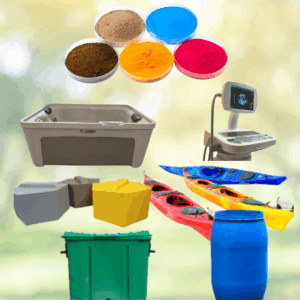
Typical large plastic parts include totes, rollout carts, automotive and aerospace components, pipes, agricultural bins, medical equipment housings, playground slides and structures, hot tubs and spas, pallets, kayaks, water tanks, and more. Many of these are manufactured using rotational molding, blow molding, or injection molding processes.

When incorporating color into large parts, molders face several challenges that must be addressed to ensure performance and consistency.

How to Overcome Common Challenges in Coloring Large Parts

1-Color Swirls / Uneven Distribution

Large parts require more resin and colorant, increasing the risk of swirls and uneven color. To minimize this:

-Use high-quality color concentrates, masterbatches or specific rotomolding formulations.

-Optimize processing parameters such as backpressure, screw speed, temperature, gate placement, and flow design.

-Ensure superior dispersion through proper material selection.

2-Dispersion Issues

Achieving proper dispersion is critical for uniform color:

-Partner with color suppliers who can fine-tune pigment loadings for your part geometry.

-Standardize dosing equipment and test dispersion using plaques before scaling up.

-Document and lock in optimized processing parameters for repeatability.

3-Color Matching

Work with suppliers that employ experienced color lab technicians skilled in matching colors for large parts. They must account for variables like lighting and viewing angles, which can influence perceived color differences.

4-Cost and Efficiency

Using lower let-down ratios (LDR) in concentrates can significantly reduce raw material costs, inventory needs, and production expenses. Consistency in color also reduces scrap rates and downtime during changeovers, further improving efficiency.

5- Use of Liquid Color

Replacing liquid color with concentrates improves inconsistent color issues, minimizes batch variation, messy storage issues, and contamination risks. You also eliminate additional cleanup time that slow down changeovers, increases downtime.

Color Concentrate Technology Options for Large Parts

Chroma Color Concentrates Pellets

Not all color concentrates are equal. For example, there is a high-performance color technologies options on the market that are designed to deliver superior performance in large-scale molding applications. The benefit of these technologies includes:

-Extremely high pigment and additive loading levels, reducing LDR requirements.

-Enhanced UV stability for outdoor parts, maintaining color vibrancy and durability.

-Lowers inventory needs, reduces freight costs, and improves warehouse efficiency.

-High dispersibility for seamless blending into polymers, reducing overall colorant usage.

-Good replacement for Liquid Color by delivering precise, consistent color with minimal batch variation and eliminates the mess, storage issues, and contamination risks.

-A rotomolded color concentrates proprietary formulation primarily composed of linear low-density polyethylene (LLDPE) that achieve ideal flow properties and to ensure durable parts with consistent color dispersion.


Proven Results of This Technology:

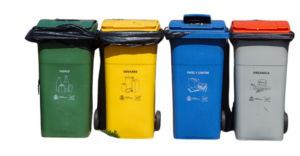
Chroma Color Waste Cans Colorful

1-Rollout cart manufacturers reduced LDR from 3% to 1% while achieving 10-year warranties.

2-Sheet extruders for the portable restroom market improved throughput and reduced panel warpage.

Chroma Color concentrates for Jet skis and four wheelers

3–A leading recreational vehicle OEM transitioned from traditional concentrates to this technology achieved:

-Lower costs

-Elimination of flow line defects

-Class A-1 surface finishes

-Expanded use of vibrant, chromatic colors for new launches

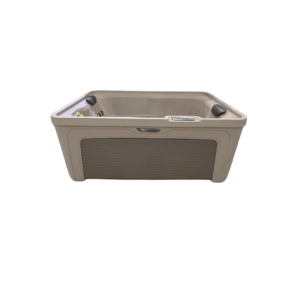
Chroma Color rotomolding concentrates for spas

4- Spa Manufacturer switched to proprietary resin primarily composed of linear low-density polyethylene (LLDPE) for a unibody part and was able to have:

–Uniform coloration across large surface areas.

–Improved impact resistance resulting in stronger, long-lasting spa shells.

–A wide range of colors to be applied without high-volume manufacturing requirements.

–A concentrate that easy to handle, reducing the dust and mess of dry colorants, and providing consistent, high-quality results in the mold.

Chroma Color’s G2®

Chroma Color’s G2® product line has delivered measurable results across industries such as outdoor durables, packaging, industrial applications, and non-automotive transportation. Whether using injection, extrusion, or blow molding, G2® technology consistently provides superior color performance, efficiency, and cost savings.

Chroma Color® Rotomolding Formulations

Chroma Color®’rotomolding color options offering provide exceptional dispersion, thermal stability, and consistency, helping manufacturers avoid common defects such as streaking, pinholes, and uneven coloration. These formulations offer a proprietary resin primarily composed of linear low-density polyethylene (LLDPE), widely used in the rotational molding industry for large parts.

Chroma Color® Corporation is a technology-leading specialty color concentrate and color masterbatch supplier. Chroma Color® delivers critical aesthetics, technical innovations, and sustainable solutions to plastics processors and brand owners. Having made nine acquisitions Chroma Color®’s growth strategy includes robust organic and inorganic growth. Chroma Color®’s extensive technical leadership and manufacturing expertise, coupled with its game-changing colorant and light management technologies, have delighted customers for over 50 years. 

Chroma Color Here to Help Meet the Growing Demands of Cables for Data Centers

Chroma Color Data Cable Options

As global data consumption continues to surge, the demand for high-performance data cables has grown exponentially. From hyperscale data centers to industrial automation systems, reliable connectivity is critical—and cables play a vital role in overall performance of the facility.

Chroma Color Capabilities: Tailored for Every Application

Chroma Color’s advanced color technology supports a wide spectrum of material options across multiple insulation and jacketing materials, ensuring that every cable type meets the needs of the variety of cable used for the data center. This flexibility empowers wire and cable manufacturers to meet stringent requirements without compromising durability or performance.

  • FEP (Fluorinated Ethylene Propylene): Known for its exceptional chemical resistance, high-temperature stability and excellent dielectrics, Chroma Color delivers vibrant, consistent colors on FEP for demanding environments.
  • ETFE (Ethylene Tetrafluoroethylene): Ideal for aerospace and harsh industrial settings, Chroma Color ensures, excellent dielectrics, sharp fade-resistant colors that maintain clarity under extreme conditions.
  • ChromaXLPEUltra (Cross-Linked Polyethylene): For high-voltage and data applications, Chroma Color provides robust color solutions that withstand thermal and mechanical stress.
  • PVC (Polyvinyl Chloride): A versatile and cost-effective option, Chroma Color offers a full palette of standard colors in addition to custom color matching expertise for PVC jackets, supporting easy identification in commercial and residential installations.
  • EVA (Ethylene Vinyl Acetate): With its flexibility and resilience, EVA benefits from Chroma Color’s precision coloring for specialty cable designs.

Important Considerations to Keep in Mind for Colorants & Additives

  • Pigments must tolerate:
    • High extrusion temperatures
    • Long heat aging cycles
  • Poor pigment selection and dispersion can lead to:
    • Discoloration
    • Reduced UV or heat resistance
    • Spark failures
  • Some colorants can negatively affect flame or thermal performance if not formulated correctly.

You can rely on Chroma Color to Help you meet these material challenge: We will help you maintaining color consistency without compromising heat or fire ratings.

Material Heat-Related Challenges (Critical)

  1. Insulation & Jacket Thermal Resistance
  • Heat during extrusion can degrade polymers (PVC, PE, XLPE, LSZH).
  • Overheating causes:
    • Brittleness or cracking
    • Poor dielectric performance
    • Reduced flame resistance
  • Tight process windows are required to avoid polymer scorching or inconsistent wall thickness.
  1. Compliance & Safety Standards
  • Heat performance must meet:
    • UL, IEC, ISO standards
    • Flame retardancy (CMP, CMR, CMX ratings)
  • Fire testing (plenum, riser) exposes weaknesses in thermal stability.
  • Failures often stem from improper heat aging resistance.

Key Material Takeaway

In data cable manufacturing, materials define thermal limits. The right combination of conductor quality, insulation polymer, jacket compound, color / additive package determines whether a cable can handle modern demands like high-speed data, PoE (Power over the Ethernet) power loads, CAT5/6/6e, Robotics and strict fire codes without overheating or failing prematurely.

Chroma Color is committed to material compatibility and color to ensure that every of your data cables meets both functional and aesthetic requirements. To learn more contact us

Download the data cable flyer

Click here learn about our ChromaXLPEUltra product

ChromaGlowUltra Masterbatch Colors Meet Growing Demands from Plastic Molders

Chroma Photoluminescent Color


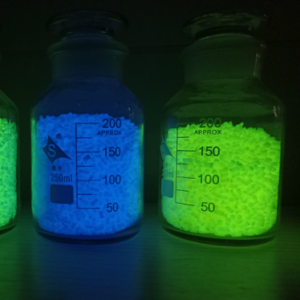
ChromaGlowUltra is also known as a glow-in-the-dark color concentrate, have gained popularity in recent years due to their unique properties and ability to create eye-catching visual effects. For example, photoluminescent color concentrates are increasingly being used in safety applications such as emergency exit signs, egress path markings, and safety equipment. This is because photoluminescent materials are reliable and can be charged by both natural and artificial light, ensuring that they remain visible even in low-light or dark conditions.

Chroma Color® continues to explore new materials and technologies to improve the properties of photoluminescent color concentrates for our customer to be more efficient and brighter than traditional pigments.

The Benefits of ChromaGlowUltra Masterbatch Includes:

– Rapid activation yielding hours of glow

– Light stable formulation (fade resistant)

– Custom-tailored for glow longevity and brilliance

– Designed for specific life safety applications

– Enhance and differentiates outdoor or indoor applications

To ensure customers of ChromaGlowUltra masterbatch will yield hours of glow. We had products molded using Chroma Color®’s Glow tested by an outside laboratory resulting in measurements of 32 hours of glow time. To examine the variety of resins tested and results download the pdf

Chroma Color®:

Chroma Color® Corporation is a leading specialty color and additive concentrate supplier serving diverse markets, including wire and cable, packaging, healthcare, pharmaceutical, consumer products, and others.

With the recent acquisition of Epolin, Chroma Color® is now the recognized leader in the near-infrared (NIR) absorptive dye industry, producing proprietary blends to suit the eye protection and light management sectors.

Chroma Color®’s growth strategy includes robust organic and inorganic growth through nine acquisitions over three years. Chroma’s extensive technical leadership and manufacturing expertise, coupled with its game-changing colorant, has delighted customers for over 50 years.

Chroma Color Expands into Rotomolding Color Solutions

Chroma Color Rotomolding Concentrates

Chroma Color Corporation is excited to announce its expanded capabilities in rotational molding (rotomolding) color solutions following the acquisition of Spectra’s Corona, CA facility. This strategic addition position gives Chroma Color® the ability to meet the stringent requirements of rotomolders and deliver high-quality, customized color solutions for their unique challenges, including Cross-linked Polyethylene (XLPE) Resin Powders.

Chroma Color Plant in Corna, CA

Chroma Color®’s rotomolding color offerings provide exceptional dispersion, thermal stability, and consistency, helping manufacturers avoid common defects such as streaking, pinholes, and uneven coloration. Additionally, the Corona facility offers a proprietary resin primarily composed of linear low-density polyethylene (LLDPE), widely used in the rotational molding industry.

New Rotomolding Capabilities from Chroma Color®

  1. Decades of Rotomolding Expertise

Chroma Color® is now a trusted source for high-performance color concentrates tailored for rotomolders—continuing the legacy of quality these facilities have delivered for decades.

  1. Expert Color Matching

Our experienced team provides precise color matching within your chosen resin. With an on-site analytical laboratory, customers receive comprehensive support in colorants, additives, resins, and troubleshooting for end-product performance.

  1. Optimized Pulverization

We can pulverize color concentrates to achieve ideal flow properties, ensuring durable parts with consistent color dispersion.

  1. Cross-linked Polyethylene (XLPE) Resin Powders

Our XLPE formulations deliver vibrant, uniform coloration and exceptional mechanical strength and impact resistance—perfect for large industrial, chemical, and agricultural storage tanks.

  1. Comprehensive Testing & Validation

Chroma Color®’s in-house laboratory rigorously tests, molds, and evaluates material and color flow, ensuring your parts meet the highest quality and performance standards before full-scale production.

Learn more about Chroma Color® rotomolding solutions you can download this Rotomolding Product pdf.

Or contact us here: https://chromacolors.com/contact-us


Chroma Color Corporation Continues to Expand West Coast Footprint with Acquisition of Ferco Color

Chroma Color Ferco Color

<10/21/25>, McHenry, IL: Chroma Color Corporation (“Chroma Color®” or “Chroma”) announced today that it has acquired Ferco Color (“Ferco” or the “Company”), a custom manufacturer of colorants, additives, and specialty compounds based in Chino, California. The transaction further strengthens Chroma’s West Coast manufacturing footprint and broadens its portfolio of colorant and additive technologies. The terms of the transaction were not disclosed.

Founded in 1994, Ferco Color has built a strong reputation for delivering high-quality products, technical expertise, and reliable turnaround times, enabling customers to achieve strong results in their manufacturing processes. Its on-site analytical laboratory, EINSTEIN, differentiates Ferco Color by providing customers with comprehensive support in colorants, additives, resins, and end-product troubleshooting. The Company currently serves diverse end-markets, including medical, food packaging, irrigation, pool & spa, aerospace, cosmetic packaging, and engineering materials, among others.

Jennifer Thaw, CEO of Ferco Color, said, “We are proud to partner with Chroma Color®, an organization recognized for their exceptional reputation in color concentrates. Together our shared commitment to quality, technical expertise, and customer success will drive even greater value and performance for all our customers.”

“This acquisition of Ferco Color underscores our commitment to expanding our geographic reach and enhancing our product offerings to a wide range of customers,” stated Joe Herres, Chroma Color Corporation, CEO. “The entire team is fully prepared to support Ferco Color’s customers and team members during this transition, and we are confident that this partnership will strengthen our ability to better serve our customers’ evolving needs.”

Chroma Color®:

Chroma Color Corporation is a leading specialty color and additive concentrate supplier serving diverse markets, including wire and cable, packaging, healthcare, pharmaceutical, consumer products, among others. Chroma Color’s growth strategy includes a deep focus on organic growth as well as inorganic growth through several strategic acquisitions over recent years. Chroma’s extensive technical leadership and manufacturing expertise, coupled with its market-leading colorant, has delivered high value to customers for more than 50 years. chromacolors.com

Chroma Color® Corporation Launches ChromaXLPEUltra Next-Generation Color Concentrates for High-Performance XLPE Applications


ChromaXLPEUltra Logo

McHenry, IL – Chroma Color® Corporation, a leading provider of specialty color concentrates, proudly announces the launch of ChromaXLPEUltra, an innovative line of high-intensity color concentrates specifically designed for advanced cross-linked polyethylene (XLPE) applications.

Engineered to meet the growing demands of harsh environments and rapidly evolving markets, ChromaXLPEUltra features proprietary pigments, carrier resins, and additives to deliver vibrant, high-performance color at reduced loading levels of just 1–2% with VW-1 vertical flame ratings.

“We developed ChromaXLPEUltra to support customers operating in the most demanding sectors—from aerospace and mining to automotive and transcontinental power transmission,” said Jim Walsh, VP of Technology at Chroma Color® Corporation. “This product line reflects our commitment to innovation, sustainability, and safety.”

Key Features of ChromaXLPEUltra:

-Advanced XLPE formulations specifically designed for harsh environments such as construction, mining, refineries, nuclear/hydrogen plants, transcontinental power transmission, and aerospace.

-Upholds superior mechanical properties, used in low smoke zero halogen XLPE compounds and meeting ROHS, REACH, HMF requirements for sustainable products.

-XLPE (UV) solutions designed for the rapidly evolving markets such as automotive/transportation (EV & Hydrogen).

-XLPEUltra products meet UL 746C & ASTM standards, ensuring reliability and safety

-XLPE (UV) solutions designed for the rapidly evolving markets such as automotive/transportation (EV & Hydrogen). These products meet stringent ASTM standards, ensuring reliability and safety.

The ChromaXLPEUltra line represents Chroma Color®’s continued leadership in delivering sustainable and high-performing solutions for wire and cable insulation, transportation, energy infrastructure, and more.

To learn more about ChromaXLPEUltra, visit: https://chromacolors.com/wp-content/uploads/2025/05/Chroma-Standard-Colors-2025-XLPEUltra-Single-F.pdf

and this link with more details about the product line: https://chromacolors.com/wp-content/uploads/2025/04/ChromaXLPEUltra-5-Standard.pdf 


Chroma Color® Corporation Herres Named to Manufacturers Association Board of Directors

Chroma Color®'s Joe Herres Board Member of NAM

Washington, D.C. – The National Association of Manufacturers announced that Joe Herres CEO of Chroma Color® Corporation, has been named to the NAM Board of Directors. Herres will join the NAM Board to bolster the association’s leadership in policy advocacy, legal action, workforce solutions and operational excellence. He will help the industry advance a manufacturing competitiveness agenda that promotes opportunity and prosperity for all Americans.

Founded in 1895, the NAM, guided by its Board of Directors, is the largest industrial trade association in the United States. The NAM is the nation’s most influential manufacturing advocate, and its membership includes some of the world’s most iconic brands and many of the small manufacturers that power the U.S. economy. Approximately 85% of the NAM’s members are small and medium-sized businesses. Executives on the NAM Board, which comprises leaders representing companies of all sizes in every industrial sector, are the driving force behind the NAM’s efforts.

The NAM is a one-stop shop for manufacturers, telling the story of our industry and equipping manufacturers with invaluable resources through news and insights, thought leadership and partnerships with our digital transformation division, the Manufacturing Leadership Council; our 501(c)3 workforce development and education affiliate, the Manufacturing Institute; and our innovation management division, the Innovation Research Interchange.

The NAM and its members are at the forefront of every important policy debate, focusing on solutions to help the industry compete in the global economy and to help the country address manufacturing policy priorities ranging from renewing pro-growth tax policies and restoring regulatory certainty to securing energy and building a workforce of the future.

“Joining the NAM Board is a privilege and an opportunity to advance the vital work of strengthening manufacturing in the U.S.,” said Herres. “I am committed to collaborating with industry leaders to advocate for policies that will promote competitiveness and job creation. The manufacturing sector is essential to America’s economic resilience, and I look forward to ensuring our industry continues to thrive for the benefit of all Americans.”

“Joe is a proven leader who is committed deeply to the success of our industry, and the NAM will be stronger thanks to his service on our Board of Directors,” said NAM President and CEO Jay Timmons. “We are in a defining moment for manufacturing in the U.S. as we advocate for a clear, actionable and commonsense strategy from the federal government that will increase investment in the U.S. and make us more successful. Joe will be a partner in advancing a competitiveness agenda that will amplify the voices and efforts of manufacturers across America. I look forward to working together as advocates for manufacturing in the U.S. while we advance the values that have made America exceptional and our industry strong—free enterprise, competitiveness, individual liberty and equal opportunity.”

Chroma Color®:

Chroma Color® Corporation is a leading specialty color and additive concentrate supplier serving diverse markets, including wire and cable, packaging, healthcare, pharmaceutical, consumer products, among others. Chroma Color®’s growth strategy includes a deep focus on organic growth as well as inorganic growth through several strategic acquisitions over recent years. Chroma’s extensive technical leadership and manufacturing expertise, coupled with its market-leading colorant, has delivered high value to customers for more than 50 years. chromacolors.com.

-NAM-

The National Association of Manufacturers is the largest manufacturing association in the United States, representing small and large manufacturers in every industrial sector and in all 50 states. Manufacturing employs nearly 13 million men and women, contributes $2.93 trillion to the U.S. economy annually and accounts for 53% of private-sector research and development. The NAM is the powerful voice of the manufacturing community and the leading advocate for a policy agenda that helps manufacturers compete in the global economy and create jobs across the United States. For more information about the NAM or to follow us on Twitter and Facebook, please visit www.nam.org.

733 10th St. NW, Suite 700 • Washington, DC 20001 • (202) 637-3000

What is the Smarter Choice for Plastic Manufacturing…Color Concentrates or Liquid Color?

Over the past decade, consumer packaged goods (CPG) companies have increasingly prioritized cost reduction. While efforts have largely focused on innovations in package design and construction, attention has also shifted to other cost factors, such as colorants and design features.

Traditionally, CPG companies relied on the expertise of their molding partners in these areas. However, in recent years, colorant suppliers have taken a more proactive approach, presenting their cost-saving solutions directly to corporate decision-makers.

This shift has led to the growing adoption of liquid color in the packaging industry, because in some cases it has demonstrated ability to lower let-down ratios and reduce overall costs compared to traditional color concentrates. Despite these benefits, many processors remain hesitant due to the housekeeping challenges and high scrap rates often associated with liquid color.

 Overview of Liquid Color

Chroma Color® Liquid Color Alternative

Advancements in liquid colorant dosing systems over the past decade have greatly enhanced their user-friendliness, providing cleaner and easier handling solutions tailored to industry requirements. Liquid colorants have long delivered vibrant hues at low use rates, offering excellent color distribution ideal for tints and transparent applications. For instance, liquid colorants can achieve some pearlescent and metallic effects, enhancing shelf appeal for brand owners and packaging designers.

Additionally, liquid colorants can be processed at lower temperatures than traditional masterbatch, avoiding heat history degradation and eliminating pre-decomposition concerns. This makes them a reliable and efficient choice for achieving striking visual effects without compromising material integrity.

On paper, liquid color may seem cost-effective, promising aesthetic benefits at reduced expenses. However, the hidden drawbacks often complicate the overall production process.

Challenges of Liquid Color:

  • Complex Equipment Needs: Liquid color requires specialized pumps and hoses to integrate properly, complicating operations. For example: If a line stops and the equipment isn’t tied into the screw signal correctly the liquid pump will keep dosing, flooding the barrel with color.

In addition, Liquid is delivered through polyethylene tubes which can wear out and rupture, causing spills.  Additionally, these tubes are consumables not provided by the manufacturer and need to be purchased by the molder.

  • Handling Inefficiencies: High risks of spills and constant equipment maintenance make liquid color messy and inefficient. For example, liquid color often causes screw slippage, especially at higher letdown ratios, which results in the constant monitoring of the machine and severe delays in production.  When a liquid container empties, it often does so with no warning. This requires the machine to be stopped until the new container is ready to run and again, causes delays in production.

Liquid color also has a tendency when used for long periods of time to cause staining of the screw of the manufacturing machine The limited shelf life and frequent separation issues lead to waste.

  • Resin Compromises: Liquid color displaces resin, requiring more material to maintain shot weight, which can increase costs unexpectedly. For instance, a lower letdown ratio (LDR) may look appealing but adds resin expenses, diminishing perceived savings. In addition, liquid needs to be stored in temperature-controlled areas.  Additionally, shipping liquid in cold weather can allow it to freeze, ruining the color.
  • Waste & Sustainability: Liquid color cannot be fully used from containers, leading to scrap rates of up to 10%. Combined with disposal issues requiring hazardous waste removal, this contributes significantly to environmental concerns. Plus, when using regrind, the fines can mix with liquid and create clumps that block the flow of pellets through the feed throat.

The Efficiency of New Technology of Color Concentrates

Newer color concentrate technology offers a superior alternative that minimizes these inefficiencies. Unlike liquid color, advanced pelletized concentrates eliminate the mess, waste, and complex equipment while offering consistent color results across various applications.

Chroma Color® Pellet Color Concentrates

Advantages of Color Concentrate Pellets:

  • Sustainability: Liquid color’s carbon footprint is significant, with oil-based carrier systems adding to environmental impact. This technology’s carrier system uses fewer raw materials and reducing carbon output.
  • Ease of Use: These pellets integrate seamlessly into production lines, compatible with standard feeding systems. No pumps, no spills—just easy, efficient coloring.
  • Maximized Usage: Unlike liquid color, this technology allows for 100% use, reducing waste and ensuring every pellet contributes to the product.
  • Reduced Scrap and Downtime: Liquid color systems often cause scrap and require frequent purging, but these color concentrates pellets enable faster color changeovers with minimal waste, optimizing production efficiency.
  • Simplified Disposal: These pellets are also non-hazardous and disposed of in traditional waste streams, unlike liquid color, which needs special disposal and adds to a higher carbon footprint.

Comparing the Environmental Impact

Chroma Color® Pellet Color Concentrates Shipping

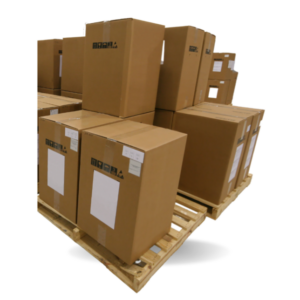
Packaging and Shipping:  A 1,000-pound order of this technology is packaged in Sustainable Forestry Initiative (SFI) rated cardboard and weighs about 25 pounds including the lid. Most processors have liquid color delivered in 5-gallon buckets so they can agitate the color before use. Obviously, pellets do not need to be agitated. To ship 1,000 pounds of liquid color in plastic buckets is roughly 100 pounds of packaging material used to ship the liquid color vs 25 lbs. of the new pellet technology.

Some liquid companies have touted a “Pump in a Drum” system for reusable packaging, but keep in mind doing this adds another shipment back to the manufacturer and increases the carbon footprint of the packaging in the life cycle assessment.

“Cradle to Grave” Sustainability: The complete lifecycle of this newer color concentrate is designed to be environmentally friendly, with fewer emissions and more efficient waste management. Liquid color’s extra shipments for hazardous waste disposal and inefficient usage only add to its environmental burden.

Why Chroma Color®’s ChromaGSeries Is the Future

ChromaGSeries

Chroma Color®’s patented G2 and G3 technologies represent a breakthrough in the plastics industry. By combining the dispersion quality of liquid color with the ease and efficiency of pellets, G2 and G3 achieve vibrant, uniform colors at lower letdown ratios. This means manufacturers benefit from cost savings without sacrificing quality.

To explore how G2 and G3 can transform your production, visit: Chroma Color® G-Series.

About Chroma Color® Corporation
Chroma Color® delivers unparalleled color solutions for industries ranging from packaging to healthcare. With a focus on innovation and customer satisfaction, our G-Series technology and strategic growth have established us as industry leaders for over 50 years. Learn more at www.chromacolors.com.